Table of Contents
The best phones with better camera for low-light photography right now include iPhone 17 Pro, iPhone 16 Pro, Samsung Galaxy S25 Ultra, Samsung Galaxy S25, Google Pixel 10 Pro, Google Pixel 10, and iPhone 17 Air. Whether you’re capturing cityscapes at dusk, indoor portraits, or atmospheric night scenes, these handsets excel where others struggle.
Our Top Picks at a Glance
After extensive testing of the latest smartphone cameras from Apple, Samsung, and Google, we’ve identified the standout performers for low-light photography across different price ranges. These three manufacturers consistently deliver the most reliable and advanced camera systems available today.
The Best Overall
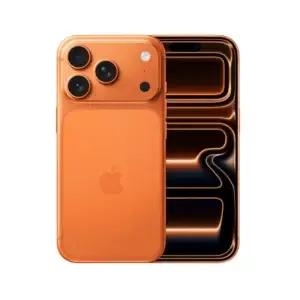
iPhone 17 Pro
Why We Chose It: The iPhone 17 Pro represents Apple’s most significant camera advancement yet, particularly for night photography enthusiasts.
Key Features:
- 48MP main sensor with improved low-light performance
- Advanced Night mode with extended exposure capabilities (up to 30 seconds)
- Enhanced telephoto lens with better light-gathering ability
- ProRAW support for maximum editing flexibility
- A18 Pro chip with advanced image processing
The Bottom Line: The iPhone 17 Pro delivers consistently excellent results in challenging lighting conditions, making it our top choice for serious mobile photographers. The improved sensor and computational photography algorithms produce images with remarkable detail and minimal noise, even in extremely dim environments.
Pros:
- Outstanding low-light performance across all lenses
- Intuitive camera interface with professional controls
- Excellent video quality in night mode
- Long-term software support
- Superior image processing
Cons:
- Premium pricing
- Limited customisation compared to Android alternatives
Best Value Premium Option
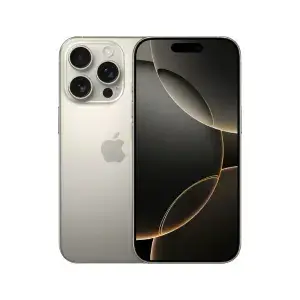
iPhone 16 Pro
Why We Chose It: The iPhone 16 Pro offers nearly identical low-light performance to the iPhone 17 at a more accessible price point.
Key Features:
- 48MP main sensor with f/1.78 aperture
- Improved Night mode processing
- Action Button for quick camera access
- 3x telephoto lens with enhanced low-light capabilities
- Advanced computational photography
The Bottom Line: The iPhone 16 reviews Pro and Pro Max offer a highly advanced camera system, making them one of the top choices for photography enthusiasts looking for a powerful smartphone. It represents excellent value for users seeking flagship camera performance without the latest premium pricing.
Pros:
- Nearly identical performance to iPhone 17 Pro
- More affordable than the latest flagship
- Mature, reliable camera system
- Excellent build quality
Cons:
- Slightly older processor
- Missing some of the newest AI features
Best Android Flagship
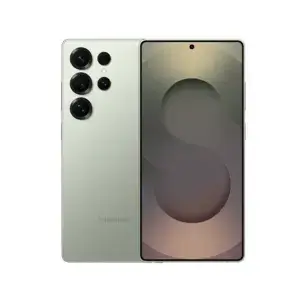
Samsung Galaxy S25 Ultra
Why We Chose It: The Galaxy S25 Ultra is the best camera phone around — mainly due to how its AI ProVisual Engine enhances its performance, versatile range, and robust camera app.
Key Features:
- 200MP main camera with advanced pixel binning
- 100x Space Zoom capability
- AI-enhanced night photography
- S Pen integration for camera controls
- Multiple telephoto lenses for versatile shooting
The Bottom Line: Samsung’s flagship continues to push boundaries in computational photography. The Galaxy S25 Ultra excels in low-light scenarios, while offering incredible zoom capabilities that set it apart from competitors.
Pros:
- Exceptional zoom range with good low-light performance
- Versatile camera system with multiple lenses
- AI-enhanced photography features
- S Pen functionality for precise camera control
- Large, bright display for photo review
Cons:
- Can be overwhelming for casual users
- Aggressive processing in some scenarios
- Premium pricing
Best Budget Samsung Option
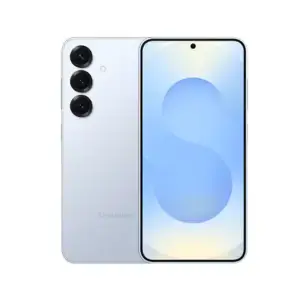
Samsung Galaxy S25
Why We Chose It: The standard Galaxy S25 delivers flagship camera technology at a more accessible price point.
Key Features:
- 50MP main camera with improved low-light sensors
- Advanced night mode processing
- AI photography enhancements
- Compact form factor
- Long software support commitment
The Bottom Line: For users seeking the best Samsung phone under 500 during promotional periods, the Galaxy S25 offers excellent low-light photography capabilities without the premium features that drive up flagship pricing.
Pros:
- More affordable than the Ultra model
- Compact, manageable size
- Reliable camera performance
- Clean Samsung One UI experience
Cons:
- Limited zoom capabilities compared to Ultra
- Smaller battery than larger models
- Fewer advanced camera features
Computational Photography Champion
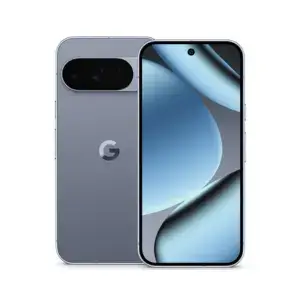
Google Pixel 10 Pro
Why We Chose It: Google’s expertise in AI-driven photography shines brightest in challenging lighting conditions.
Key Features:
- Advanced computational photography algorithms
- Magic Eraser and other AI-powered editing tools
- Long-exposure night mode
- Consistent performance across all shooting scenarios
- Real Tone technology for accurate skin representation
The Bottom Line: While not featuring the largest sensors, the Pixel 10 Pro’s software-first approach to photography delivers remarkably clean and detailed low-light images through intelligent processing. It’s particularly excellent for users who prefer natural-looking photos over heavily processed results.
Pros:
- Exceptional computational photography
- Natural colour reproduction
- Advanced AI editing features
- Regular feature updates
- Clean Android experience
Cons:
- Hardware specifications may seem modest
- Limited availability in some regions
- Shorter battery life during intensive camera use
Best Budget Google Option
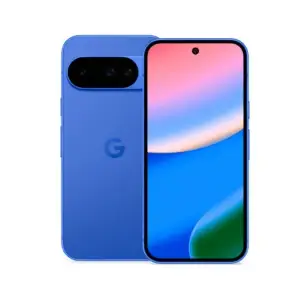
Google Pixel 10
Why We Chose It: The standard Pixel 10 brings Google’s computational photography expertise to a more affordable price point.
Key Features:
- Same computational photography engine as the Pro model
- Night Sight mode with excellent results
- AI-powered camera features
- Regular software updates
- Compact design
The Bottom Line: Among the best cheap phones for photography, the Pixel 10 proves that exceptional low-light performance doesn’t require premium pricing. Google’s software magic makes this one of the most capable budget camera phones available.
Pros:
- Affordable pricing
- Excellent software support
- Same core photography features as Pro
- Compact and lightweight
Cons:
- Limited telephoto capabilities
- Smaller battery capacity
- Basic build materials
Future Innovation
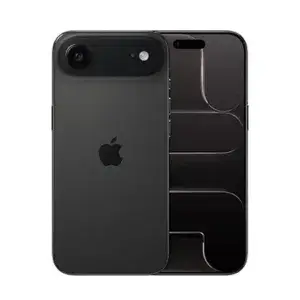
iPhone 17 Air
Apple’s upcoming iPhone 17 Air promises to bring advanced camera technology in an ultra-slim form factor. While specific camera details remain unconfirmed, Apple’s track record suggests this model will maintain the company’s commitment to exceptional low-light performance despite potential size constraints. This device could redefine what’s possible in thin smartphone designs while preserving camera quality.
What to Look for in Low-Light Camera Phones
Sensor Size and Aperture
Larger sensors capture more light, while wider apertures (lower f-numbers) allow more light to reach the sensor. Look for phones with f/1.8 or wider main camera apertures.
Optical Image Stabilisation (OIS)
OIS reduces camera shake during longer exposures, crucial for sharp night photography. All phones with better camera systems in our recommendations include this essential feature.
Night Mode Capabilities
Advanced night modes use computational photography to combine multiple exposures, reducing noise and improving detail in dark scenes. Apple, Samsung, and Google each have their unique approaches to night photography.
Manual Controls
Professional photographers will appreciate phones offering manual ISO, shutter speed, and focus controls for creative low-light photography.
Low-Light Photography Tips
Master Night Mode: Each brand’s night mode works differently. iPhone’s Night mode is automatic but intuitive, Samsung’s offers more manual control, while Google’s Night Sight is particularly effective in extremely dark conditions.
Stabilise Your Shot: Even with OIS, keeping your phone steady during longer exposures is crucial. Consider using a tripod or a stable surface for the best results.
Understand Your Phone’s Strengths: iPhones excel at natural colour reproduction, Samsung phones offer versatile zoom options, while Pixels provide exceptional computational enhancement.
Use Available Light Creatively: Even minimal light sources can dramatically improve your photos. Street lights, neon signs, and illuminated windows provide interesting lighting effects that these phones can capture beautifully.
The Bottom Line
The landscape of mobile low-light photography is dominated by three key players: Apple, Samsung, and Google. Whether you prefer the refined consistency of the iPhone, the versatile zoom of the Galaxy, or the AI-powered magic of the Pixel, there’s a perfect camera phone for every need.
For a wide range of phones with better camera capabilities and expert advice on choosing the right one for you, visit us at Roly’s Mobiles today.
Frequently Asked Questions
1. Which phone has the best low-light camera in 2025?
The iPhone 17 Pro currently leads the pack for low-light photography. It combines a 48MP sensor with advanced Night Mode, long exposures up to 30 seconds, and powerful image processing for sharp, noise-free results even in near darkness.
2. Which is better for night photography, iPhone or Samsung?
Both are excellent but serve different needs. iPhone (17 Pro / 16 Pro) offers natural colour tones and consistent results, while Samsung Galaxy S25 Ultra provides stronger zoom and manual controls. iPhone is best for everyday low-light shots, Samsung for versatility.
3. What is the best budget phone for night photography?
The Google Pixel 10 is the best budget option. It delivers excellent low-light performance through Google’s computational photography, making it a top choice for under-premium pricing.
4. Do megapixels matter for low-light photography?
Not always. While higher megapixels (like Samsung’s 200MP camera) add detail, sensor size, aperture, and image processing matter more for night shots. Phones like the Pixel 10 Pro prove fewer megapixels can still deliver outstanding results.
5. What features should I look for in a phone for low-light photography?
Look for these essentials:
Large sensor for more light
Wide aperture (f/1.8 or lower)
Optical Image Stabilisation (OIS)
Advanced Night Mode
AI/computational photography